
There’s a story most people outside the Buddhist tradition have never heard.
Twenty-five centuries ago, two clans: the Shakyas and the Koliyas were about to go to war over a river. The Rohini River ran between their territories, and both sides used a dam to irrigate their fields. When drought hit and the water dropped, each side claimed they needed it more. Words turned to insults. Insults turned to stones. Stones turned to armies.
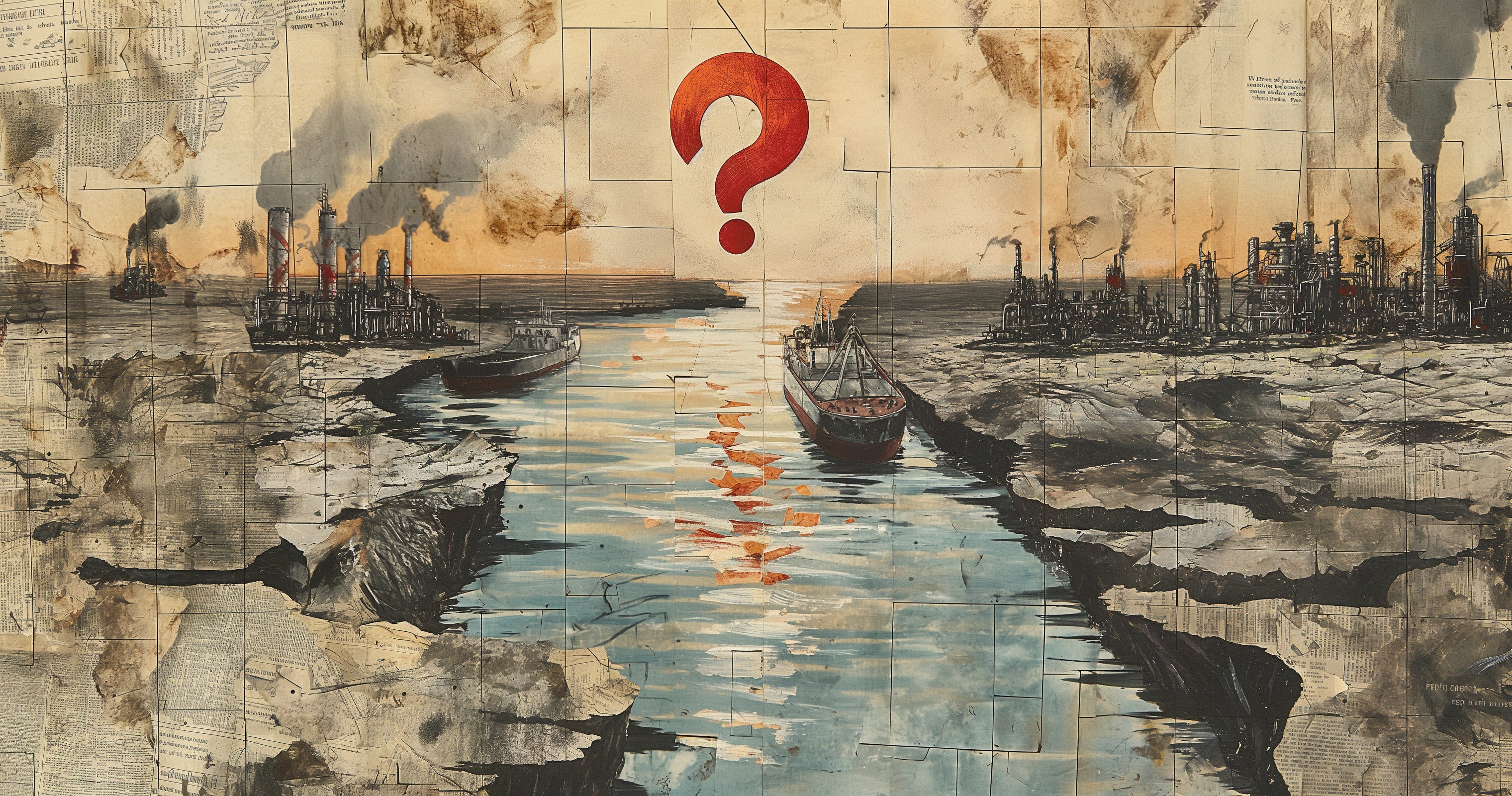
The Buddha, who was related to both clans, walked to the battlefield. Some versions say he levitated above the river to get their attention. I don’t know what to make of that detail, but what he said next is the part that stays with me.
He asked the warriors: “How much is the water worth?”
“Very little,” they said.
“How much are the lives of warriors worth?”
“Beyond price.”
“Then why would you destroy what is beyond price for what is worth very little?”
The armies stood down. The story says 250 men from each side became monks that day. The water was shared.
I’ve been thinking about this story every day for the last six weeks.
But here’s the thing. If someone walked into the UN Security Council today and asked “How much is oil worth?” and “How much are your people’s lives worth?” — would anyone stand down?
I don’t think so. The answer would be a 40-minute diplomatic statement drafted by three committees, designed to say nothing while sounding like everything. Or worse, it would be ignored entirely. Because in modern geopolitics, the simplest questions are the most dangerous ones. They cut through the language that keeps the machinery running. No leader wants to say out loud that they’re trading lives for a shipping lane. So nobody asks.
The Buddha could ask that question because he had no stake in the outcome. No territory. No electorate. No arms deal. Just moral authority and a question that made both sides look at what they were actually doing.
We don’t have that person right now. And I’m not sure the world would listen if we did.
The Strait That Runs Between Us
On February 28, the United States and Israel launched strikes against Iran. In retaliation, Iran blocked the Strait of Hormuz — the narrow passage through which roughly a fifth of the world’s oil supply flows. Forty days later, thousands are dead and the global economy is shaking.
Last week, a fragile two-week ceasefire was announced. The terms center on one thing: the Strait. Trump wants it fully reopened. Iran wants to maintain control and charge fees on every ship passing through. The ceasefire holds as long as the water — the oil — keeps flowing.
I’m not a geopolitical analyst. But the structural pattern is hard to miss. Two sides. One shared resource in between. Escalation from economic pressure to military action. And a ceasefire that addresses the symptom (shipping lanes) without touching the conditions (sanctions, nuclear ambitions, regional power, decades of distrust).
I don’t think the Rohini River story was just about water. The way I read it, the Buddha was pointing at something underneath: the attachment to the resource, not the resource itself. The fear of scarcity. The identity built around having enough. If that reading is right, then removing the attachment removes the fuel. The water was never the problem.
Shantideva, the 8th-century Mahayana master, wrote in the Bodhicharyavatara: “All the joy the world contains has come through wishing happiness for others. All the misery the world contains has come through wanting pleasure for oneself.” (Chapter 8, Verse 129) Those are his words, not mine. But I think about them when I watch nations negotiate. Every demand on both sides is framed as self-protection. From what I can tell, nobody is asking what the other side needs to feel safe.
I keep wondering: is anyone asking the Rohini River question right now? Not “how do we reopen the Strait?” but “what are we willing to destroy to control it?”
What the Ceasefire Doesn’t Touch
Here’s what’s actually on the table. Iran wants US forces out of the region, all sanctions lifted, frozen assets returned, and war damages paid. Israel says the ceasefire doesn’t include Lebanon despite the mediator saying it does. Neither side agrees on what they agreed to.
The Buddha’s teaching on dependent origination is precise: “When this exists, that comes to be. With the cessation of this, that ceases.” (SN 12.1) Practically, that means: sanctions are still there. Nuclear tensions are still there. The supreme leader was assassinated. None of that got paused. Only the bombs did.
The Attadanda Sutta (Sn 4.15) opens with: “Fear is born from arming oneself.” I think that’s exactly what’s happening. Each side arms, the other side fears more, which drives more arming. The ceasefire is a two-week pause in a feedback loop that nobody is trying to break.
The Tibetan lojong tradition has a slogan I keep coming back to: “Drive all blames into one.” Compiled by Geshe Chekawa in the 12th century, based on Atisha’s teachings. Sounds impossible when bombs are falling. But the practical point is simple: as long as each side blames the other, nothing changes. Someone has to go first.
The Buddha walked to the Rohini River and did exactly that. Nobody is doing it for the Strait of Hormuz. And honestly, I don’t think anyone would listen if they did. That might be the most important thing this comparison reveals - not the similarity between then and now, but the distance.
Glossary
Dependent origination — Skt: pratityasamutpada / Pali: paticcasamuppada. The principle that phenomena arise from specific conditions and cease when those conditions change. Applied here: ceasefire removes the fighting but not the conditions that produced it.
Attadanda Sutta — Sn 4.15, from the Sutta Nipata (Shravakayana). A discourse on how fear and violence arise from the act of arming oneself, creating escalation cycles.
Bodhicharyavatara — “The Way of the Bodhisattva“ by Shantideva (8th century CE, Mahayana). A foundational text on compassion and the aspiration to alleviate suffering for all beings, not just oneself.
Lojong — Tibetan mind training (Vajrayana). Originated with Atisha (11th century CE), systematized into 59 slogans by Geshe Chekawa (12th century CE). A practice of transforming adversity into the path of awakening.
An art is that deserves good amount of attention 👏